IRDAI’s Commission Cut Plan Risks Hurting Insurance Reach, Warns Its First Chairman
IRDAI Commission Cut proposals may limit insurance distribution and accessibility. The regulator’s first chairman warns the changes could affect insurance penetration in India.
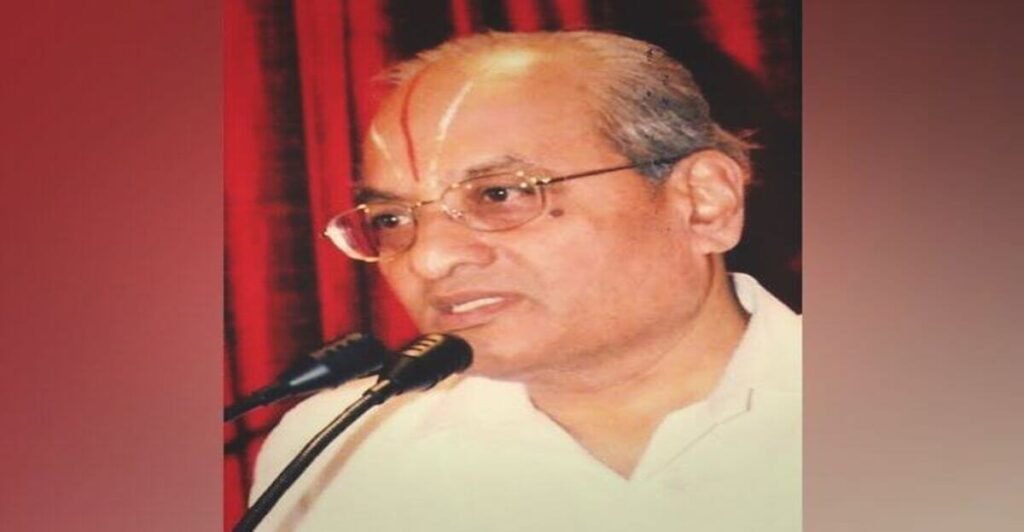
IRDAI Commission Cut proposals could threaten insurance accessibility, warns the regulator’s first chairman, raising concerns about their impact on insurance penetration.
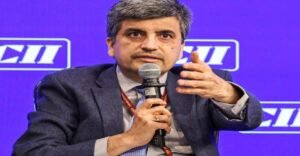
NEW DELHI – IRDAI Commission Cut: N Rangachary, the first chairman of the Insurance Regulatory and Development Authority of India (IRDAI), has cautioned the regulator against cutting the remuneration paid to insurance intermediaries. He argues the move could do more harm than good in a market where cover is still thin, according to an interview he gave to The Federal.
Rangachary, who oversaw the opening of the sector to private players, said IRDAI’s draft plan to lower payouts to individual agents, corporate agents and brokers might suit a mature insurance market, but not India. Insurance penetration here is still below 5 per cent.
IRDAI Commission Cut: Why the timing matters
The warning comes as the industry approaches a milestone: October 23 marked 26 years since the first private insurers were registered by IRDAI. Yet uncertainty still hangs over roughly 60 life, general and standalone health insurers, many of whom fear the proposal could trigger consolidation and slow the push to reach more households.
There is also a question over foreign interest. India now permits 100 per cent foreign direct investment in insurance, up from the 26 per cent cap when private players first entered. Industry watchers say the new commission proposal may make the sector less appealing to overseas companies despite the relaxed ownership norms.
IRDAI Commission Cut: What prompted IRDAI’s proposal
The regulator moved after reviewing the outcome of its 2023 overhaul. That year, IRDAI scrapped commission caps fixed product by product and replaced them with a single overall ceiling on insurers’ Expenses of Management.
IRDAI’s view is that the rise in policyholder numbers and premium collections has not kept pace with the rise in payouts to intermediaries. It hopes the new norms will translate into cheaper premiums for customers. Rangachary and several others in the industry doubt that outcome will materialise.
He suggested a more targeted approach. In his view, IRDAI should investigate insurers that are paying unusually high amounts to intermediaries and act against them, rather than imposing a blanket reduction on everyone.
IRDAI Commission Cut: Why limits on expenses exist, and where regulation should stop
Asked why insurers face a statutory expense ceiling when other industries do not, Rangachary pointed to the long-term nature of the business. Insurers must be able to honour claims years down the line, so their solvency has to be protected, and expense limits and investment rules are the regulator’s tools for that.
He stressed that he is not opposed to reform, but said it must rest on economic reasoning, evidence and an understanding of its consequences. In his view, the regulator should stay uncompromising on solvency, governance, fair market conduct, mis-selling, claims settlement and policyholder protection.
At the same time, he questioned how deeply a regulator should go into fixing commercial pay structures across products and sales channels. Insurer boards, he said, are responsible for business strategy and operating efficiency, and supervision should not steadily replace market competition without strong justification. He added that the regulator must also be held accountable for what its interventions lead to.
IRDAI Commission Cut: The real policyholder problems
Rangachary noted that customers still struggle with claim rejections, delayed settlements, poor disclosures, confusing policy wording, rising medical costs and weak grievance redressal. He agreed that mis-selling needs a firm response, but said blame must be shared fairly among insurers, product design and distribution channels. What a buyer needs, he said, is clarity on whether a policy is suitable, whether exclusions were explained, whether legitimate claims will be paid and whether help will be there when required. These matter far more, in his words, than “an isolated commission percentage.”
IRDAI Commission Cut: Impact studies before any change
The former chairman urged IRDAI to commission independent economic, actuarial, competition and employment impact assessments, publish the assumptions behind the proposal and weigh alternatives. Any transition, he said, should be gradual, proportionate and clearly tied to policyholder welfare.
He accepted that institutions must evolve and inefficiencies must be fixed, but argued that a distribution system built to professionalise insurance selling should not be dismantled without convincing evidence that its replacement will work better.
IRDAI Commission Cut: Development is part of IRDAI’s job
Rangachary reminded the regulator that its mandate covers both regulation and development of the sector, and that development cannot come from weakening the networks that bring insurance to millions of Indians. His closing yardstick was blunt: success should be measured by how many more people gain meaningful protection and how fairly and quickly claims are paid, not by how much commission is removed.