IRDAI Reforms Are an Opportunity, Not a Burden, Says ICICI Lombard’s Sanjeev Mantri
ICICI Lombard sees regulatory changes as an opportunity to evolve, with Sanjeev Mantri emphasising the need for insurers to adapt to IRDAI reforms and navigate the changing insurance landscape.
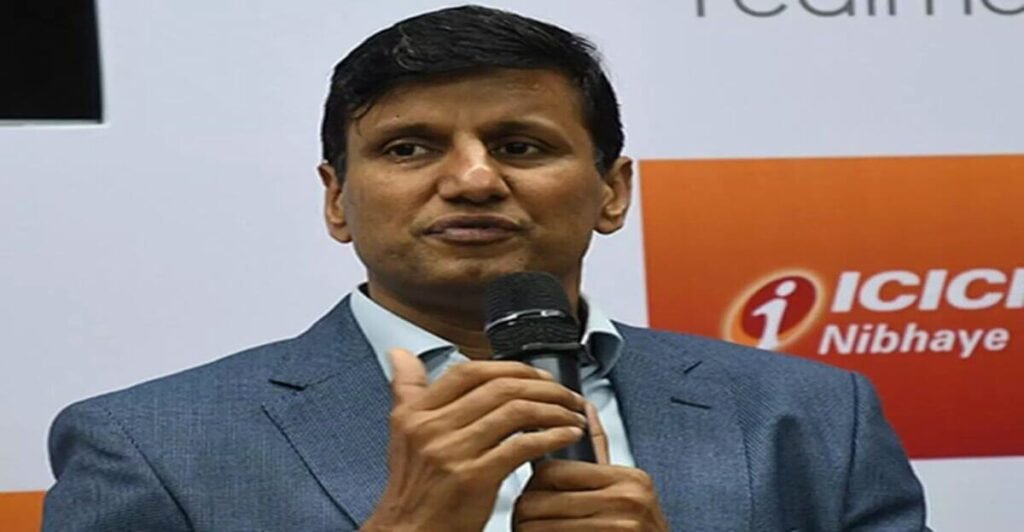
ICICI Lombard Sanjeev Mantri says IRDAI’s proposed reforms should be viewed as an opportunity for the insurance industry rather than a burden, highlighting their potential to strengthen the sector.
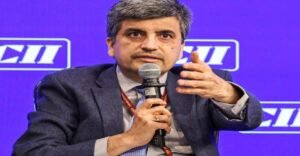
NEW DELHI – ICICI Lombard General Insurance MD and CEO Sanjeev Mantri has said the insurance industry should treat the regulator’s proposed reforms as an opportunity to build a stronger sector. He was speaking at Risk Next, the annual conference of the Association of Risk Managers (ARM).
He said the sector accepts the direction set by the Insurance Regulatory and Development Authority of India (IRDAI) with full commitment, and that the discussion paper’s focus on transparency, cost and policyholder interest is widely recognised within the industry.
ICICI Lombard: Consultation to Shape Final Reforms
Mantri said the discussion paper is not meant to apply uniformly to every segment of the industry, and that the regulator is gathering feedback over several rounds of consultation. Insurers and other stakeholders will each get a chance to present their views before final decisions are taken, he said. He described the paper as a response to areas where change was needed, and said it is likely to evolve over time.
Also Read: How India Buys Insurance? Google Explains In Latest Report
He said the reforms are expected to push insurers to focus more on service delivery, product innovation and operational efficiency. Speaking as a buyer of insurance as well as a provider, he said he will spend far more years using insurance than selling it. He added that the outcome should be a sector with greater transparency and a stronger service orientation, and that “reform may only set the stage; the execution will define the outcome.”
ICICI Lombard: Catastrophe Losses and India’s Coverage Gap
Mantri pointed to the widening gap between economic losses and insured losses from natural catastrophes. Global losses crossed $100 billion in the first nine months of the current financial year, he said, with only about half of that insured. He cited the Los Angeles wildfire, which caused losses of nearly $50 billion, about 75 per cent of which was insured.
India’s insurance penetration against such losses is far lower, in the low single digits, he said. Each monsoon season, he noted, brings losses of at least ₹50,000 crore to ₹60,000 crore. With the economy growing at around 7 per cent and asset creation becoming denser, he said, exposure to risk is rising in step, which makes wider coverage more important.
ICICI Lombard: Preparedness Beyond Insurance Cover
Mantri said insurance alone cannot remove risk. He referred to lessons from the September 11 attacks and the cancellation of major sporting events during the Covid-19 pandemic as examples of why preparedness and resilience matter. Safety drills, physical preparedness and sound risk management practices are as essential as coverage in limiting losses, he said, adding that the future will not be free of risk but businesses and individuals can be better prepared for it.
In a rapid-fire round, he said risk cannot be ignored in personal or professional life. On artificial intelligence, he said it will bring both value and risk to insurance but will create more value overall. He said technology can help narrow the gap between classes and masses in India. Asked whether boards should track exposure or resilience, he said both must be measured together.
Addressing young risk managers, Mantri said they are often unsung heroes in their organisations and should not be seen as obstacles to business. He said their role is to facilitate growth and transformation by building preparedness, so that organisations keep their ambition. He also congratulated the board members who set up ARM as a forum, saying its collective strength can help drive a culture of risk.