Nitin Gadkari Confirms E20 Vehicle Compatibility: No Damage Data Yet, Insurance Add-On Debate Continues
E20: The government told Parliament there’s no verified evidence of E20-linked engine failure across 20+ crore vehicles nationwide
E20 is now the default petrol at every pump in India. Parliament's latest reply breaks down the engine data, the mileage numbers, and why it matters for your car insurance claims.
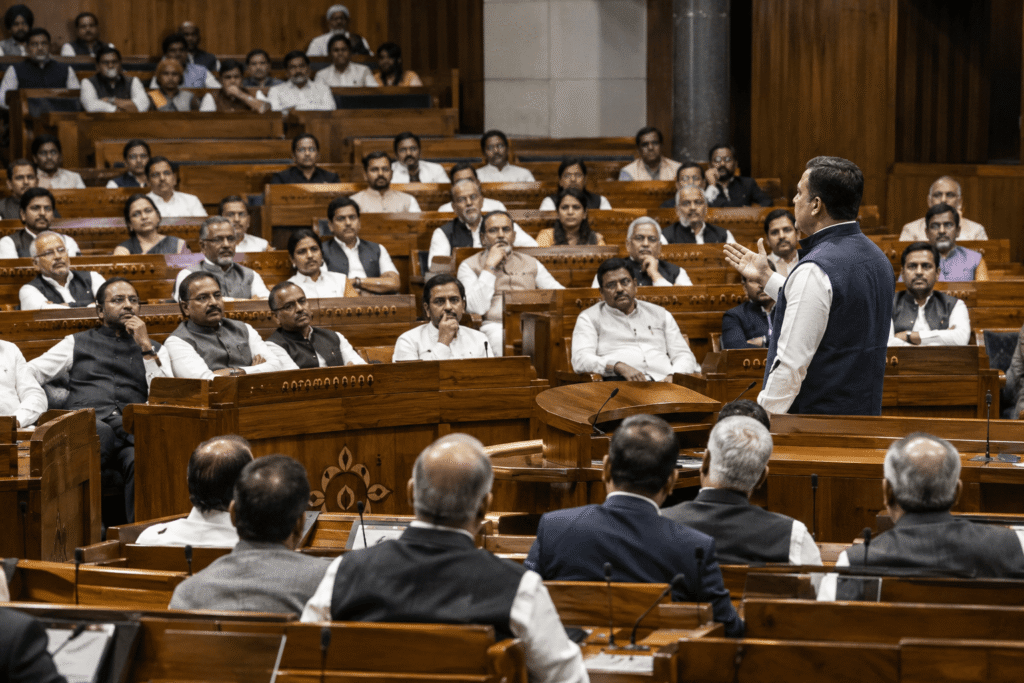
New Delhi – E20: The government told Parliament on Thursday, that mandatory E20 fuel has not caused any verified evidence of widespread engine failure or vehicle breakdown across India’s roads, a reassurance that carries direct implications for motor insurance buyers still nervous about ethanol-blended petrol and their claims.
Road Transport and Highways Minister Nitin Gadkari, responding to a starred question from Shri M K Raghavan, tabled a detailed statement in the Lok Sabha addressing consumer concerns, oil marketing company practices, and the pricing of ethanol-blended fuel. For anyone holding a comprehensive car or two-wheeler policy, the numbers cited are worth sitting with.
E20 petrol: The scale of the rollout
According to the government’s statement, more than 20 crore two-wheelers and over 3 crore petrol cars have been running on E15+ and E19-E20 blends for periods ranging from two-and-a-half to three-and-a-half years, without what the ministry called verified evidence of widespread engine failure attributable to ethanol blending. One leading automobile manufacturer reportedly serviced 2.84 crore vehicles in FY 2025-26, including roughly 1.5 crore legacy vehicles not originally designed for higher ethanol content, and said it found no E20-linked engine damage, abnormal corrosion, or reduction in component life. A leading two-wheeler manufacturer apparently reported similar findings.
This matters for insurance because engine and corrosion-related damage sits right at the boundary between what an automaker’s warranty covers and what a motor insurance policy is meant to cover. If manufacturers continue honouring warranty obligations for vehicles running specification-compliant E20 fuel, as the government says they do, policyholders have one less reason to worry about disputed claims where an insurer or dealer tries to blame fuel type for an engine problem.
Also Read: How to Lower Car Insurance Premium in India: 5 Proven Ways to Cut Costs
E20: The mileage question insurers should watch
The statement isn’t entirely reassuring, though. It confirms that studies by government agencies and manufacturers show a reduction in fuel efficiency of about 2-6% in certain E10-designed vehicles running on E20, while noting this is also influenced by driving conditions, habits, and maintenance. That’s a fairly wide band, and it’s the kind of detail that consumer insurance literacy pieces will likely keep returning to, since fuel efficiency complaints sometimes bleed into disputes over vehicle condition assessments at the time of a claim.
There’s also the disclosure that oil marketing companies have not been directed to separately display ethanol percentage on receipts, since E0 or E10 petrol is reportedly no longer sold at retail outlets and normal petrol nationwide is now E20 by default. Only E85, meant exclusively for Flex Fuel Vehicles, gets prominently labelled at the pump. For insurers and surveyors assessing claims, this removes some ambiguity: if a vehicle was fuelled at any regular retail pump in India over the past couple of years, it was almost certainly running on E20, which should, in theory, make blend-related disputes easier to rule in or out.
E20: Why this belongs in an insurance conversation at all
Motor insurers in India have occasionally flagged concerns, formally or informally, about ethanol’s corrosive potential on fuel lines, gaskets, and older engine components not originally certified for higher blends — concerns that feed into how some insurers price or structure engine protection add-on covers. The government’s statement, hedging as any official reply does, pushes back against the idea that this is a live risk at scale, citing ARAI, SIAM, and IOCL validation work alongside real-world manufacturer service data.
None of this is a guarantee that individual claims involving fuel-related engine issues will now be waved through without scrutiny; insurers will still assess each case on its facts, and the manufacturer data cited is self-reported rather than independently audited by the ministry. But for consumers weighing whether an engine protection cover or a comprehensive policy add-on is worth the premium, the government’s position — that E20 has not shown up as a mass engine-failure event after two-plus years of nationwide use — is a reasonable data point to factor in, alongside the standalone fact that fuel economy may still dip by a few percentage points depending on the vehicle and how it’s driven.
The statement also touched on the economics behind the scenes: the Ethanol Blended Petrol Programme has reportedly saved around ₹1.98 lakh crore in foreign exchange and added over ₹1.66 lakh crore in farmer income, while helping cushion retail fuel prices during the recent West Asia crisis, when global crude prices reportedly rose 70-80% but domestic pump prices moved only about 7-8%. That broader stability arguably matters to insurers too, since fuel price volatility indirectly affects vehicle usage patterns, claims frequency, and even the pricing conversations around third-party motor cover over time.