Industry Body Asks PM Modi to Protect 16 Lakh Insurance Agents From Regulatory Reforms
Insurance agents have urged the government to introduce a ₹250 commission floor per policy, seeking better remuneration and financial support for the distribution workforce.
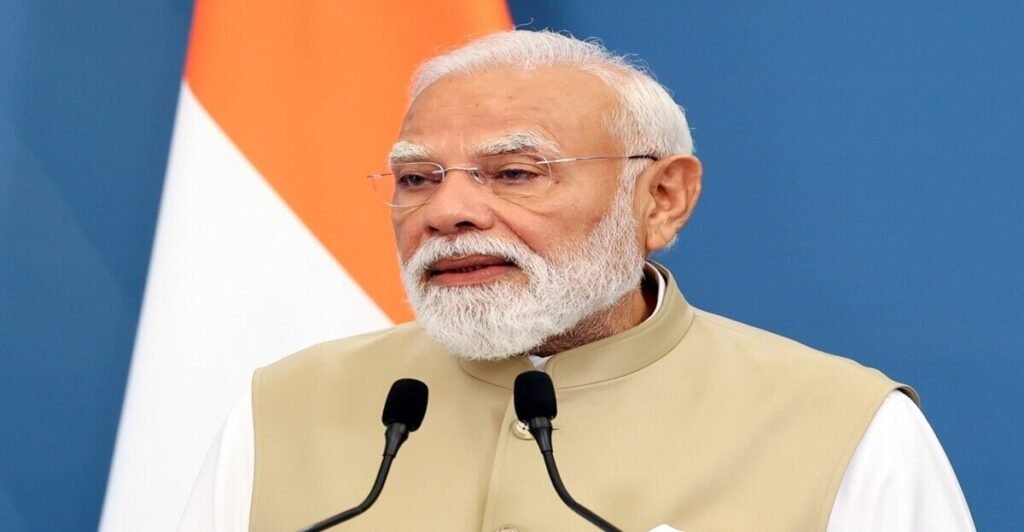
Insurance agents representing 16 lakh members have written to Prime Minister Narendra Modi, seeking a minimum commission of ₹250 per policy to support their earnings.
NEW DELHI: The Confederation of General Insurance Agents Associations of India (CGIAAI) has written to Prime Minister Narendra Modi seeking a statutory minimum commission for agents and a say in the ongoing regulatory reforms in the insurance sector. The representation, dated October 24, was sent to the Prime Minister’s Office.
The apex body, which says it represents 16 lakh individual general insurance agents and their 80 lakh dependents, said the current regulatory push on cost compression and automated, direct-to-customer sales threatens grassroots employment. It added that it supports the government’s goal of “Insurance for All by 2047.”
Insurance Agents: What the agents want
The letter lists five demands. The first is a statutory minimum commission of at least 75% of the prescribed ceiling, along with a mandatory baseline fixed commission of ₹250 per retail policy. The second is a review of the Expenses of Management (EOM) glide paths, which CGIAAI says could hurt small, mid-sized and public sector insurers and lead to oligopolies.
The confederation also wants regulatory recognition that general insurance needs post-sale human guidance and cannot be sold as an off-the-shelf FMCG product. It has sought safeguards against conflicts of interest, including curbs on hospitals, motor garages and aggressive bank cross-selling distributing insurance.
Also Read: Madhya Pradesh Farmers Get ₹317.86 Crore in Crop Insurance Claims
The fifth demand covers agent welfare. CGIAAI has asked for Group Life and Health Insurance for agents, inclusion in digital platforms such as Bima Sugam, a bar on non-transparent volume overrides by corporate brokers, and codified ownership of an agent’s renewal book. It has also asked the Prime Minister to direct the Finance Ministry and the Insurance Regulatory and Development Authority of India (IRDAI) to hold time-bound consultations with its associations before the reforms are finalised.
Insurance Agents: ‘Not an FMCG commodity’
In a press release issued alongside the letter, the confederation said a general insurance policy can be bought online in minutes, but settling a claim during an accident or medical emergency needs on-ground assistance. “When a family is stranded at a hospital billing counter or standing by a damaged vehicle on a highway, an automated chatbot or call centre algorithm cannot replace the local insurance agent who personally visits, advocates, and secures fair settlement,” CGIAAI leadership said.
The body warned that more than half of individual agents could be forced out of the profession, which would leave rural, semi-urban and elderly policyholders without assistance.
Insurance Agents: Claims ratio, hospital and garage costs
CGIAAI rejected the view that distribution costs are pushing up premiums. It said individual agents earn an average commission of 12-13% and bear significant operating costs in Tier-2, Tier-3 and rural areas. It pointed instead to the industry’s incurred claims ratio of 84-87%, which it attributed to inflated charges in healthcare and motor repairs. The association said hospitals often charge insured patients more than cash-paying ones, and that automobile workshops mark up repair estimates when claims are routed through insurance.
The confederation has asked the government and IRDAI to regulate and standardise tariffs for healthcare providers and motor workshops, instead of cutting support for intermediaries. On distribution models, it said garages and hospitals selling insurance create a conflict of interest that exposes policyholders to inflated costs and claim disputes. It also objected to commercial banks bundling or cross-selling retail policies.