EPFO 3.0: As PF Withdrawals Turn Instant, Insurers Face a New Pitch for Retirement Savings
EPFO 3.0 is now in effect, bringing UPI and ATM-based PF withdrawals and faster auto-claim settlements — and as retirement savings turn liquid, life and pension insurers may need a stronger pitch for why long-term, locked-in products still matter.
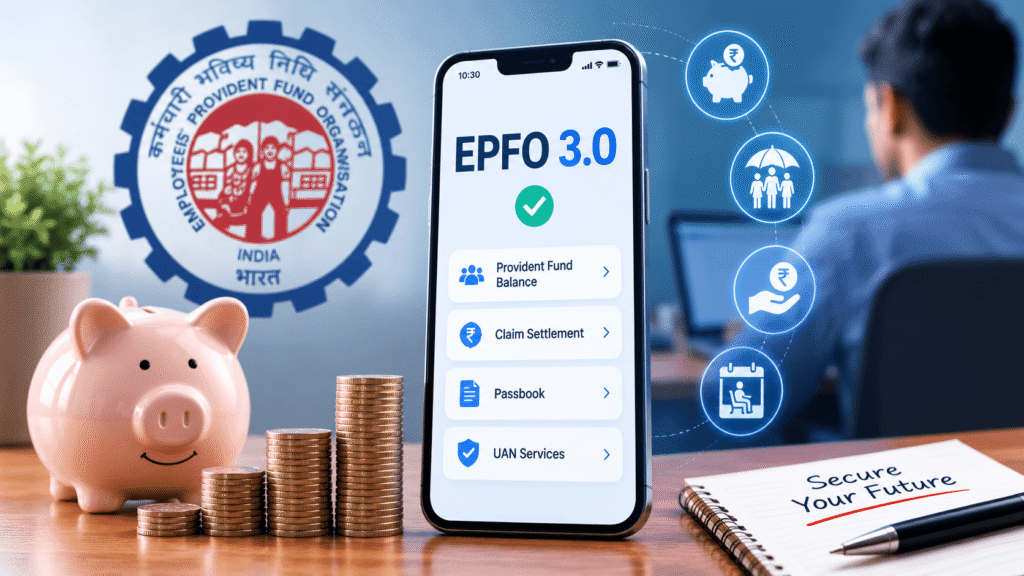
EPFO 3.0: As retirement savings get easier to touch, insurers may need to work harder to make the case for locking them away
EPFO 3.0: The Employees’ Provident Fund Organisation’s EPFO 3.0 rules came into effect from June 29, 2026, and the timing could not be more relevant for India’s insurance industry. The newly notified EPF Scheme introduces auto-claim settlement, digital corrections, and instant fund withdrawals via ATMs and UPI — features that, for the first time, make a retirement corpus nearly as accessible as everyday banking. For insurers who have long built pension and retirement products around the idea of disciplined, locked-in savings, that shift is worth watching closely.
Also Read: Blackstone, Ex-HDFC ERGO CEO Anuj Tyagi Join Hands for New General Insurer — First 90% FDI Play
EPFO 3.0: A retirement fund that now behaves like a bank account
Members with Aadhaar-linked UANs will be able to generate a QR code on the UMANG app to withdraw cash at any UPI-enabled ATM, or transfer funds instantly to a verified UPI ID.
A safeguard appears built into the design: reports suggest digital withdrawals via UPI or ATM will likely be restricted to 50% of the eligible advance amount, to prevent total exhaustion of funds. Withdrawal rules following job loss have also been clarified. Members can withdraw 75% of their balance after one month of unemployment, with the final 25% accessible only after the second month, ensuring a phased safety net.
Even so, the framework requires members to retain at least 25% of their total PF balance in their account at all times during their service years — a built-in floor that insurers may find useful context when discussing long-term savings discipline with clients.
EPFO 3.0: Faster claims, less friction
The reform’s ambitions go well beyond withdrawals. EPFO is targeting automatic settlement of 95% of all standard claims once EPFO 3.0 is fully rolled out, building on a year of record throughput — the retirement body reportedly settled 8.31 crore claims in FY 2025-26, up from 6.01 crore the previous year. Employer dependency is also easing: around 1.59 crore members were reportedly able to seed and verify their bank accounts this year without needing employer approval.
The rollout itself remains phased rather than nationwide. As of July 2026, EPFO 3.0 has not been officially launched across the country, though the Ministry of Labour and Employment has confirmed the digital infrastructure is complete, with implementation proceeding in stages under the Centralised IT Enabled Services (CITES) platform.
Union Labour and Employment Minister Mansukh Mandaviya has framed the overhaul as a move toward seamless, simplified services that eliminate the need for complex form-filling or physical visits for claims and corrections.
Also Read: Pradhan Mantri Suraksha Bima Yojana: Complete Guide 2026
EPFO 3.0: The insurance industry’s new challenge — and opening
For life and pension insurers, this is a pivot point. When withdrawing retirement savings becomes a two-tap UPI transaction, the discipline that once came “built in” to the PF system starts to erode — and insurers selling annuity or retirement-linked products may need sharper messaging around why locking in funds still matters for long-term financial security.
The conversation with customers may need to shift from “why save with us instead of PF” to “why maintain a locked-in product at all, when even PF is now this liquid” — a subtly different, and arguably harder, pitch to make.
At the same time, EPFO’s Aadhaar-linked, paperless infrastructure sets a new consumer expectation. Insurers still relying on lengthy claim documentation and manual verification may find customers increasingly comparing that experience unfavourably to what EPFO 3.0 has managed to build — making a case for insurers to accelerate their own digital claims and KYC overhauls.
There is also a quieter opportunity here: insurers that move early to replicate this kind of instant, UPI-linked settlement experience for maturity payouts or death claims could turn a regulatory-driven consumer expectation into a genuine competitive differentiator, rather than playing catch-up once it becomes an industry norm.