Global Insurance Cover Could Boost India’s Medical Tourism, Says Apollo’s Sangita Reddy
India Medical Tourism may attract more overseas patients with wider global insurance coverage. Here’s why Apollo’s Sangita Reddy sees potential for growth.
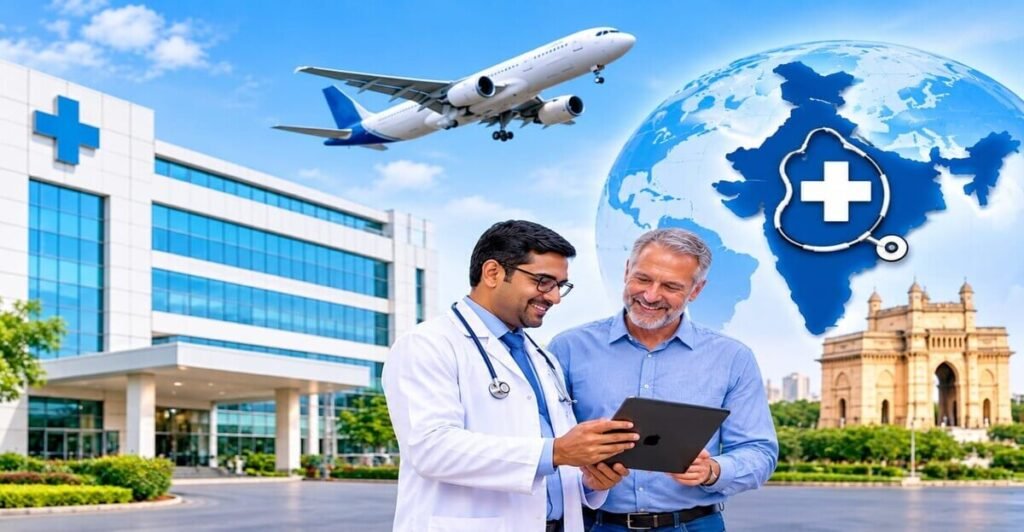
India Medical Tourism could get a boost as global insurance coverage makes treatment in the country more accessible to international patients. Apollo's Sangita Reddy highlights the opportunity.
NEW DELHI, India Medical Tourism: Medical tourism in India could grow sharply if international insurers begin covering treatment costs for patients who travel here, according to Apollo Hospitals Joint Managing Director Sangita Reddy.
Speaking on the sidelines of the Garmin Health Summit in Bangkok, she said insurers should not merely permit overseas treatment but actively encourage it. In her view, that would save patients a great deal of money and open India’s hospitals to a far larger international audience.
India Medical Tourism: Why Insurance Is the Missing Link for Medical Value Travel
Reddy said Apollo has asked the government to lead a delegation to global insurance companies to push for such coverage. If insurers come on board, she expects a large segment of patients from the Western world to start choosing Indian hospitals.
She also pointed to the steady flow of non-resident Indians already seeking care in the country, calling the arrangement a win-win for patients, insurers and providers alike. Policy researchers have made similar arguments, saying that tying Indian hospitals into overseas insurance networks and offering tailored policies covering travel, treatment and post-operative care would reduce financial risk and build trust among foreign patients.
Also Read: Hyundai Will Pay You to Drive Better: Up to 15% Off Car Insurance
India Medical Tourism Market by the Numbers
The global medical travel market was valued at about $115.6 billion in 2022 and is projected to reach roughly $286.1 billion by 2030. India has become one of the most important destinations within it. Government figures put India’s medical tourism market at around $8.7 billion in 2025, rising to $16.2 billion by 2030.
About 507,000 foreign nationals came to India specifically for treatment in 2025, roughly 5.5 per cent of all foreign tourist arrivals. Lower treatment costs, internationally accredited hospitals, experienced specialists and easier visa access have driven this growth. Wider insurance acceptance remains one of the biggest barriers to overcome.
India Medical Tourism: Preventive Health Checks and the Rise of AI
Beyond medical tourism, Reddy spoke about the growing role of preventive care. Apollo began offering health check-ups four decades ago, and many other providers now offer similar packages. The group carried out more than 4 million such check-ups in 2025 alone. She said Apollo treats these checks as a clinical model built around deep prevention and early detection, not as a purely commercial product. A good check-up, she explained, looks at the whole person over time instead of stopping at a cholesterol reading, which makes it an ongoing engagement with the patient.
Reddy said many patients in India still arrive at hospitals only after they are already seriously ill. Preventive screenings sometimes uncover advanced conditions, such as blockages needing an angiogram or stent the very next day, or cancers that have progressed far. She believes artificial intelligence, together with rising patient awareness and consumerism in healthcare, will help change this.
India is still catching up in adopting AI in healthcare and has a long way to go. Reddy suggested the approach should begin with AI picking up symptoms early, then using those digital signals to help people adjust their daily routines before illness takes hold.