IRDAI Ready to Allow Transition Period for Commission Caps, but Not an Indefinite Delay, Says Ajay Seth
IRDAI has proposed first-year commission caps of up to 25 per cent and lower expense limits for insurers over five years.
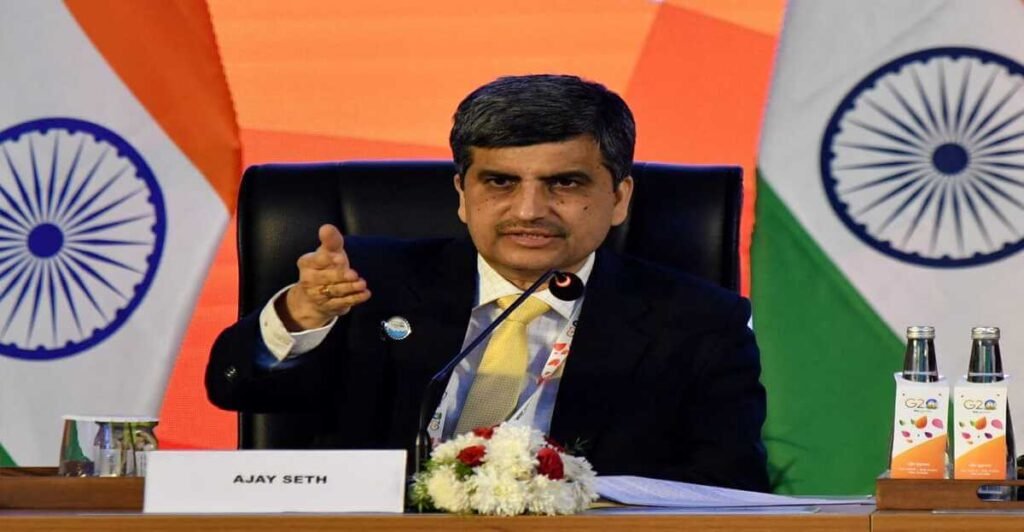
IRDAI Chairman Ajay Seth said the regulator is open to a reasonable transition period for commission caps.
NEW DELHI – India’s insurance regulator is willing to give insurers and distributors time to adjust to proposed limits on commissions and management expenses, but not an open-ended reprieve. IRDAI Chairman Ajay Seth said this with 12 days left before public comments close on the most consequential proposal on how insurance is sold in India since commission caps were scrapped in 2023.
Seth said in an interview that the Insurance Regulatory and Development Authority of India is examining every submission, including those on transition. He said the authority has consulted the industry throughout the process. Where insurers can show a genuine operational need, he said, a reasonable glide path is possible. Cuts to management expenses are meant to be phased in over several years, and the schedule will be designed so that no one gets an indefinite postponement or a permanent advantage. He spoke while in the capital for the Kautilya Economics Conclave.
IRDAI: What the consultation paper proposes
IRDAI released the two-part consultation paper, titled Recalibrating Economics of Insurance Distribution, on September 23. It runs to about 160 pages and covers commissions, insurer expenses, distribution structure, market conduct and digital infrastructure.
- Commission limits: For individual life policies with a premium-payment term of ten years or more, first-year commission would be capped at 20 per cent for distribution entities and 25 per cent for agents. The proposed ceiling of 25 per cent is the highest figure in the paper.
- Expense limits: Life insurers’ expenses of management (EoM) would fall to 15 per cent of gross direct premium within two years and 12.5 per cent within five. General insurers would move from a 30 per cent limit on gross written premium to 20 per cent within five years. The first interim milestone is in FY29.
- Conduct rules: The paper proposes mandatory disclosure of commissions and tagging each policy to the intermediary who sold it. It also proposes a regulatory definition of mis-selling and clawbacks of commission on mis-sold policies.
- Smaller towns: Distributors could earn an extra 10 per cent of the applicable commission limit in towns with fewer than 10 lakh people. The extra amount would rise to 20 per cent where the population is below 50,000.
The regulator has pointed to figures in the paper to explain the proposal. Between 2022-23 and 2024-25, life insurance premiums sourced through corporate agents grew 28 per cent, while payouts to distributors grew 125 per cent. In general insurance, broker-sourced premiums rose 37 per cent against a 173 per cent rise in commissions. Motor insurance showed the widest gap, with premiums up about 34 per cent and commissions up about 259 per cent.
IRDAI also says expenses at private life insurers have risen to about 22 per cent of premiums from 16 per cent in FY21. At private general insurers they have risen to about 32 per cent from 25 per cent in FY19. Surrender and withdrawal payouts made up 39 per cent of life insurance benefits paid in FY26, up from 32 per cent in FY22, according to data the finance ministry gave Parliament.
IRDAI: Seth on costs, claims and health insurance
Seth said distribution costs should reflect the value policyholders receive. Incentives for sellers, he said, should reward policies that stay in force rather than first-year sales. He linked high upfront commissions to mis-selling and early lapses, which he said damage trust and hold back insurance penetration. India’s penetration stayed at 3.7 per cent in FY25.
He acknowledged an industry suggestion that expense limits be tiered, as in the mutual fund sector, to level the field for new entrants. He said newer and smaller insurers do face higher costs in their early years, but that all insurers must eventually move toward the prescribed limits.
He pointed to two pieces of public infrastructure that he said would help. The planned Public Insurance Registry would give a consolidated view of each person’s cover, which could help spot underinsurance and support suitability checks. Bima Sugam, the planned digital marketplace, would lower the cost of reaching and servicing customers.
On health insurance, Seth described the segment as being at an unstable equilibrium. He said premiums are rising because of medical inflation, higher utilisation and insurers’ own expenses, including distribution costs. He said:
- Rationalising commissions addresses one end of the problem, and the regulator is working on claims and medical inflation through five provider-payer working groups set up with the Confederation of Indian Industry.
- IRDAI’s health master circular requires cashless authorisation within an hour and discharge within three hours.
- No claim can be rejected without approval from a Claims Review Committee, and reasons must be given citing specific policy terms.
- Insurers must consult IRDAI before raising senior citizens’ premiums by more than 10 per cent in a year.
- The GST exemption on individual health policies lowered costs and led to much faster growth in health insurance.
Seth also said foreign interest in Indian insurance is rising after the move to 100 per cent FDI. Two insurers have already raised foreign shareholding to 100 per cent, he said. He added that reducing the net owned fund requirement for foreign reinsurance branches from ₹5,000 crore to ₹1,000 crore, and implementing Ind AS aligned with IFRS 17 from April 2026, should help attract investors.
IRDAI: Industry pushback and what happens next
The Insurance Brokers Association of India (IBAI) has warned that the proposals could cut broking revenues by 60–70 per cent and cost up to 10 lakh jobs. The association says the distribution sector employs more than 83 lakh people. It has asked for the comment deadline to be extended to the end of December and has written to the Prime Minister’s Office and the finance ministry.
The IBAI also disputes IRDAI’s reading of the data. It says the rise in commissions since FY23 largely reflects the formal recording of marketing expenses that were previously off the books. It adds that general insurers’ operating expenses averaged about 26.5 per cent of premiums, below the 30 per cent limit, and that non-life insurers paid out ₹84.4 in claims for every ₹100 of premium over five years.
IRDAI’s whole-time member for distribution, Girija Subramanian, rejected the job-loss concern in an interview. She said wider distribution and lower entry barriers would create jobs. She said the regulator is considering January 1 or April 1, 2027 as start dates, with commission caps likely to take effect before the phased expense cuts. She said phased commission cuts could push distributors to rush sales and raise mis-selling risk.
Shares of listed distributors have fallen sharply since the paper was released. PB Fintech, the parent of Policybazaar, and Turtlemint are each down more than 47 per cent since September 23.
After October 25, IRDAI will review the feedback and issue draft regulations for a second round of consultation before final rules. Seth has described the distribution paper as the first phase of a wider agenda, with claims management, grievance redressal and product regulation to follow in the next financial year.