IRDAI Chief Draws Parallel With 2009 Mutual Fund Reforms, Says Insurance Needs a Comprehensive Overhaul
IRDAI is looking to broader structural reforms in insurance, with the 2009 mutual fund overhaul serving as a reference point for potential changes to the sector.
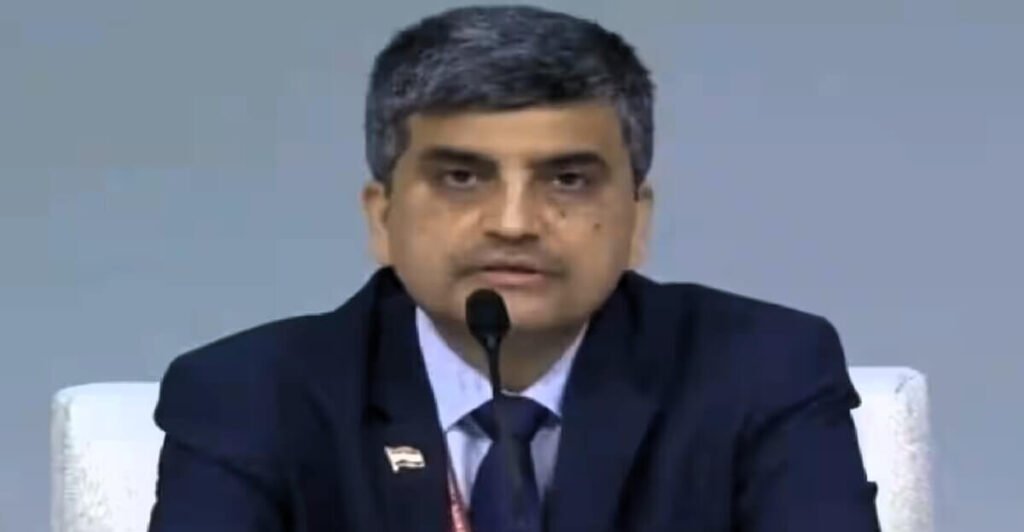
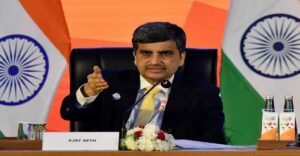
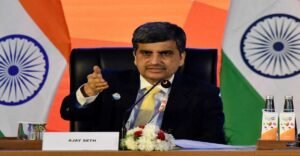
IRDAI Chief Ajay Seth has drawn parallels with the 2009 mutual fund reforms, calling for a comprehensive overhaul of India’s insurance sector.
NEW DELHI: In 2009, India’s mutual fund industry went through a reset that no single rule produced. Distribution norms, market infrastructure and industry practice all shifted together. The head of the insurance regulator now wants the same kind of reset for insurance.
Insurance Regulatory and Development Authority of India (IRDAI) chairman Ajay Seth said the proposed distribution reforms are deliberately a package. He said that is because no one measure can fully end mis-selling. His comparison to the 2009 mutual fund changes came in an interview explaining the regulator’s consultation paper, “Recalibrating Economics of Insurance Distribution”.
IRDAI released the paper on September 23, 2026, and is taking comments until October 25. It comes in two parts. The first sets out the proposals and the second carries the cost analysis behind them.
IRDAI: Why the Regulator Says Upfront Commissions Are the Problem
Seth said mis-selling is only one of the paper’s aims. He listed four: wider coverage, lower costs for customers, better access in underserved areas and groups, and more jobs. The paper also seeks to remove regulatory arbitrage, bring more people into distribution and make the sector cost-efficient. It aims to reward good conduct and increase transparency as well.
On mis-selling, he pointed to the way commissions are structured. Heavy payouts on first-year premium, he said, push sellers towards the quick sale and are linked to high surrender rates. By his account, only about 48% of life policies are still in force at the 61st month.
He singled out credit life insurance, where little effort goes into the sale. Single-premium commissions there have ranged from 22% to 57%, he said, often with the cover bundled compulsorily with a loan.
Also Read: Canara HSBC Life Sees Limited Hit From IRDAI Commission Cuts
The paper’s answer is to tie pay to effort and reward policies that stay in force. It ends compulsory bundling and makes conduct visible through the Public Insurance Registry. It also requires every sale to be traceable to the person who made it, and it provides for commission clawback where mis-selling is established.
Seth said the cost reforms apply to insurers as a whole, since commission is one part of overall Expenses of Management (EoM). Insurers, he said, will have to become more efficient in both distribution and operations.
IRDAI: What the Consultation Paper Proposes
The paper brings back product-wise commission limits, which IRDAI had removed in 2023 in favour of an overall expense cap. Under the 2023 framework, the caps were replaced by EoM limits of 30% of gross premium for general insurers and 35% for standalone health insurers.
Reports on the draft put the proposed first-year commission ceiling for life plans of ten years or more at 25% for agents and 20% for distribution entities. For new-vehicle motor third-party cover, the draft proposes no commission for distribution entities and 2.5% for agents and associates.
The draft would also:
- Replace the current intermediary categories with Insurance Distribution Entities, Insurance Distribution Persons and Market Infrastructure Institutions.
- Set tighter EoM limits for life insurers, reported as 15% of gross direct premium within two years and 12.5% within five.
- Give extra commission room for rural and small-town business, reported at up to 20% more headroom.
Seth told the interviewer that the proposed EoM levels match what the sector itself operated at in the recent past. He added that new insurers would keep flexibility for their first five years. Moneylife, reporting separately on his remarks, said he described the aim as bringing costs back towards levels seen six to eight years ago. He said the aim is to avoid a sudden disruption.
IRDAI – Industry Pushback, Market Reaction and What Comes Next
The proposals drew a sharp response from distributors and in the markets. After the announcement, PB Fintech, which runs Policybazaar, fell about 36% and Turtlemint Fintech Solutions lost roughly half its value, according to the Free Press Journal.
The Insurance Brokers Association of India (IBAI) has warned that the changes could put up to one million jobs at risk, the same report said. IBAI, which represents 798 brokers, also objected to the lower commission proposed for customer-appointed brokers than for insurer-tied agents. Other voices cited the thin margins in non-life insurance. Smaller insurers worry that larger rivals could benefit.
Seth said IRDAI will consider every submission backed by sound reasoning. On margins, he said low profitability does not justify higher distribution costs paid by policyholders. He said commission caps would also benefit smaller and newer insurers, because they stop bigger rivals outbidding others for distribution networks.
On livelihoods, he argued that distributors’ incomes depend on how many people can enter the business and earn, and not on commission rates alone. The draft therefore lowers capital and fee requirements and makes registration permanent. It also lets distributors sell other financial and non-financial products. Agents tied to a single insurer would get relatively higher limits. Stronger renewal commissions would let them build a lasting book of customers.
For corporate brokers, the draft requires commission disclosure on commercial policies with a sum insured above Rs 50 crore. Seth said fee-based risk management advisory is an alternative model for brokers who add specialised value.
He said the regulator has not yet received any industry proposal for a mandatory co-payment in health insurance. If one arrives, IRDAI will examine it. He said co-payment makes sense when a customer chooses it in exchange for a lower premium, and such options already exist. Any design that shifts costs to policyholders, he added, has to be weighed against health insurance’s purpose of financial protection. He also noted that in some cases insurers pay only around Rs 67 in claims for every Rs 100 of premium. Product design will be taken up in a wider set of product reforms planned for FY28.
The paper is still a proposal. Final regulations are expected after the consultation closes on October 25. A LocalCircles survey reported by Moneylife found that seven in ten insurance buyers back commission caps and over eight in ten want commissions disclosed before purchase.