IRDAI chief: 10% health co-pay ‘yet to reach’ regulator, ‘nobody is milking anything’
IRDAI chief clarifies the status of the 10% health co-pay proposal and says there is no evidence of anyone “milking” the system.
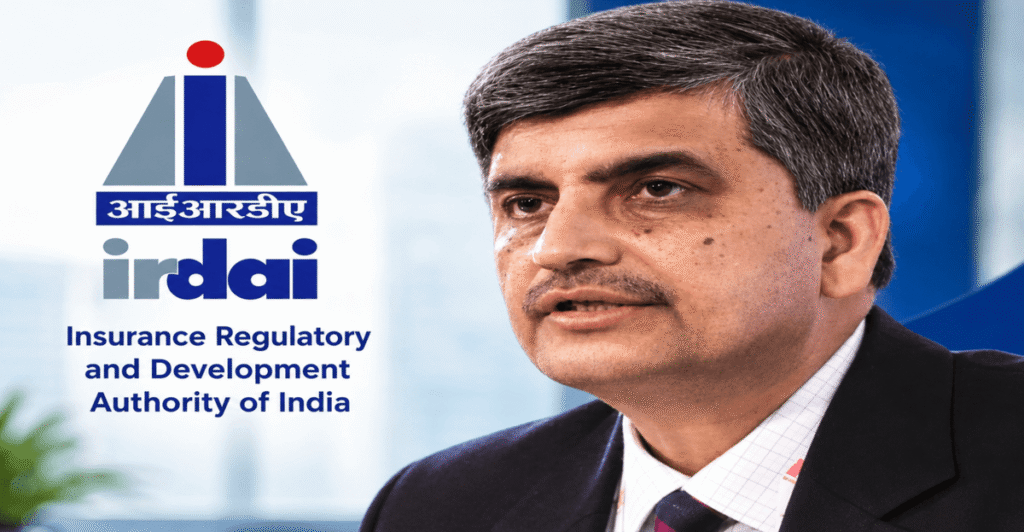
IRDAI: A co-pay without a premium cut is something “nobody is agreeing on,” says IRDAI’s Seth, who also wants insurers’ prices made visible to policyholders.
New Delhi: IRDAI Chairman Seth has said that the 10% co-pay on health insurance that insurers are considering has not yet reached the regulator. He said the idea is under deliberation and that he is aware of it. A co-pay without a reduction in premium, he said, is something “nobody is agreeing on.”
The thinking behind a co-pay, as he described it, is that the patient should have a stake in the bill. Someone should be able to question add-ons and ask whether charges are reasonable. That, he said, is a separate conversation about hospital billing. He called co-pay one of the possible ways of making premiums affordable, but said its guardrails and its effect on premiums have to be studied first.
IRDAI: “Nobody is milking anything”
Seth also pushed back on the idea that insurers are extracting more than they should. Underwriting profit is thin, he said, and most insurers make their profit from investment income. “Nobody is milking anything,” he said.
The question, in his view, is how much of every ₹100 collected goes into the cost of doing business. In health, he said, that 30 could become 25 and then 20. What hospitals charge and how treatment costs rise is a separate conversation, he added, and some of those costs are within the sector’s control while some are not.
IRDAI: Price transparency as the priority
His own priority is price transparency. Policyholders should see not only today’s price but what it was a year and two years ago, he said, so they can judge whether increases are justified. They should not have to hand over personal details just to see a price.
The regulator also has in mind making prices across the industry visible for different products. Once that happens, he said, demand will shift from less efficient insurers to more efficient ones. Size is no guarantee of efficiency, since a small insurer can be very efficient.
IRDAI: From sold to bought
Digital purchases are under 5% of sales today, Seth said, and can reach 20% to 25%. That does not need artificial intelligence. It is “not rocket science,” he said, and adequate information is enough. India has a large, tech-savvy population that has adopted digital banking and capital markets, and insurance should follow.
Intermediaries will remain, he said, because many people need help with complex products. But for a significant share of buyers, insurance can move from being sold to also being bought.
Distribution, he added, is the most important part of the industry because it is customer-facing. The moment an agent sells a policy is a moment of financial education, and with aligned incentives the distributor can play a central role in suitability and claims.