IRDAI Expands Scrutiny Beyond Commissions as Life Insurers Face Wider Cost Review
India’s insurance regulator has widened its review of life insurers by seeking detailed data on operating expenses beyond commissions, signalling that the upcoming distribution reforms could reshape the industry’s cost structures, product pricing and profitability.

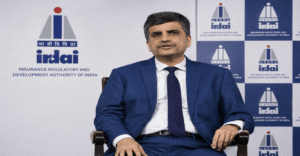
Officials at the Insurance Regulatory and Development Authority of India (IRDAI) are widening their review of life insurers' operating expenses, signalling broader reforms aimed at improving transparency, efficiency and consumer protection across the sector.
Hyderabad: The Insurance Regulatory and Development Authority of India (IRDAI) has broadened its scrutiny of the country’s life insurance industry by seeking detailed information on insurers’ operating expenses beyond agent commissions, signalling that the regulator’s reform agenda extends well beyond curbing mis-selling.
The move comes at a time when the insurance sector is preparing for one of its biggest regulatory overhauls in years. While recent discussions have largely centred on restructuring commissions paid to agents and intermediaries, the latest exercise suggests the regulator is taking a comprehensive look at how insurers spend money across their businesses.
According to reports, IRDAI has asked life insurance companies to furnish detailed data on various operating expenses, including administrative costs, marketing expenditure, technology investments and other overheads. The exercise is expected to help the regulator assess whether existing expense structures are sustainable and aligned with the broader objective of making insurance products more affordable and transparent.
The review is significant because operating expenses play a crucial role in determining the cost of insurance products. Higher expenses often translate into increased premiums or lower returns for policyholders. By examining these costs more closely, the regulator appears to be laying the groundwork for reforms that could improve efficiency across the sector while strengthening consumer protection.
The latest development follows reports that IRDAI is evaluating changes to the way commissions are paid to insurance distributors. Instead of allowing substantial upfront commissions, the regulator is believed to be considering a more evenly distributed payout structure over the life of a policy. Such a model is aimed at discouraging aggressive sales practices and encouraging intermediaries to focus on policy persistency and long-term customer service.
Industry experts believe the expanded review indicates that commission reforms alone may not be sufficient to address structural challenges within the insurance sector. Operating expenses account for a substantial portion of insurers’ overall costs, and analysing them alongside distribution expenses could provide the regulator with a more complete picture of the industry’s financial health.
For insurers, the exercise may lead to greater pressure to optimise costs and improve operational efficiency. Companies have invested heavily in digital platforms, customer acquisition, technology infrastructure and brand-building initiatives over the past few years as competition has intensified. While many of these investments support long-term growth, regulators may seek to distinguish between necessary spending and expenses that could ultimately increase the burden on policyholders.
The review also comes against the backdrop of IRDAI’s ambitious goal of achieving “Insurance for All” by 2047. To meet that target, insurers will need to expand coverage while ensuring products remain affordable for millions of first-time buyers. Lower operating costs could allow insurers to design competitively priced products and improve insurance penetration across underserved segments.
For policyholders, the regulator’s latest move could prove beneficial in the long run. Greater oversight of insurers’ expense structures may encourage companies to improve efficiency, reduce unnecessary costs and deliver better value through competitively priced products and improved customer service. While any immediate changes are unlikely, the review could shape future regulations governing expense management and product pricing.
The exercise is also expected to provide valuable insights into how insurers allocate resources between distribution, technology, administration and customer servicing. As digital adoption accelerates across the financial services sector, regulators are increasingly examining whether investments in technology are translating into better customer outcomes rather than simply increasing operational costs.
Market participants will now closely watch the outcome of the data collection exercise and whether it results in new regulatory guidelines. Any tightening of expense norms could have implications for insurers’ profitability, distribution strategies and product design, particularly for companies that rely heavily on large acquisition budgets.
Although IRDAI has not announced any immediate policy changes, the expanded review sends a clear message that the regulator intends to examine the economics of the life insurance business more holistically. Together with the proposed commission reforms, the initiative underscores a broader push to build a more transparent, sustainable and consumer-centric insurance market in India.
As India’s life insurance industry continues to evolve amid rising competition and increasing regulatory oversight, insurers may have to strike a careful balance between growth, profitability and customer value. The outcome of IRDAI’s review could ultimately influence not only how insurance is sold, but also how insurers manage costs, develop products and compete in one of the world’s fastest-growing insurance markets.