IRDAI Forms Two Panels to Draft New Solvency Rules for Insurers
IRDAI is moving towards revising solvency norms for insurance companies, with two expert panels tasked with drafting recommendations.
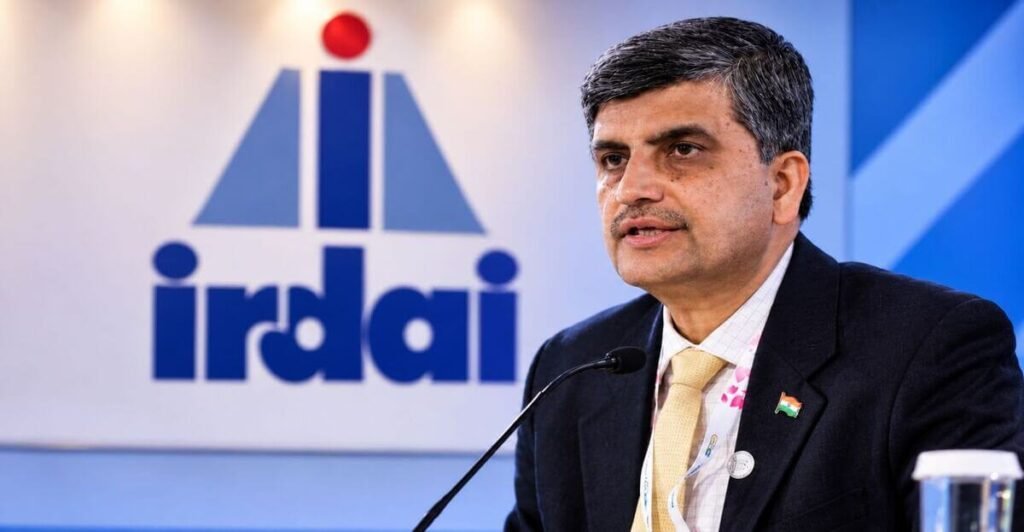
IRDAI has constituted two panels to develop a new solvency framework for insurers, signalling a fresh approach to capital adequacy and financial stability.
NEW DELHI: The Insurance Regulatory and Development Authority of India (IRDAI) has constituted two working groups, one each for life and non-life insurers, to converge the proposed Risk Based Capital (RBC) framework with Indian Accounting Standards (Ind AS). The panels have been asked to prepare an Exposure Draft of the RBC Regulations and an associated Approach Paper within one month of the November 10 office order.
IRDAI: Ind AS statements to be the starting point
The regulator is moving the sector from the existing factor-based solvency regime to an RBC framework, in which an insurer’s capital requirement is linked to the risks it carries, measured on a market-consistent balance sheet. The order notes that the IRDAI (Actuarial, Finance and Investment Functions of Insurers) (Amendment) Regulations, 2026, notified on March 30, require financial statements to be prepared under applicable Ind AS.
Since both frameworks rely on current estimates of future cash flows, discounting and explicit allowance for risk, running them on separate bases would raise costs for insurers, add reconciliation complexity and leave room for inconsistent outcomes and regulatory arbitrage, the order said. The regulator said Ind AS financial statements could form the basis for RBC, with defined, evidence-based adjustments where prudential objectives require them.
Also Read: Car Claim Rejected Over Date Error: Chandigarh Panel Orders Insurer to Pay Rs 2.93 Lakh
IRDAI: Who is on the panels
The Life Working Group has 13 members, drawn from Aditya Birla Life, Bajaj Life, Bandhan Life, HDFC Life, ICICI Prudential, Kotak Life, LIC of India, Munich Re, SBI Life and TATA AIA, along with the Institute of Actuaries of India and IRDAI. The Non-Life Working Group has 12 members, including Bajaj General, ICICI Lombard, IndusInd General, Kiwi General, New India, Niva Bupa, SBI General, Swiss Re and TATA AIG, besides the actuarial institute and IRDAI.
IRDAI Deputy General Managers Jamuna Choudhary and Parmeshwar Shelke will convene the life and non-life groups, respectively. The panels may hold joint sittings on matters common to both segments, and their deliberations and documents are to remain confidential.
IRDAI: What the groups must deliver
The Exposure Draft, meant for public consultation, is to cover valuation of assets and liabilities starting from Ind AS carrying values, Available and Required Capital, the solvency ratio, supervisory intervention levels under Section 64VA, governance and disclosure norms, and transitional provisions. It must also address Ind AS components such as the Contractual Service Margin, Risk Adjustment for non-financial risk, expected credit loss and reinsurance contracts held.
The Approach Paper is to set out alternative approaches, sensitivity testing, acceptable ranges for key assumptions, materiality thresholds, and positions on discounting, flooring of negative liabilities and the illiquidity premium.
The groups will also draft a template for insurers to submit RBC data, recommend how the converged framework could apply to actuarial valuation under Sections 13 and 49 of the Insurance Act, 1938, assess recalibration of stress factors, and examine the treatment of foreign business.
Under the guiding principles, convergence must not dilute RBC’s goal of policyholder protection at a defined confidence level or distort Ind AS’s aim of faithful representation, and every recommendation must be backed by data and quantified impact. The order was issued with the approval of the Competent Authority.