IRDAI Chairman Calls for “Serious Introspection” by Insurers on Policyholder Disputes
IRDAI has called on insurance companies to review their approach to policyholder disputes and strengthen grievance redressal to improve customer trust.
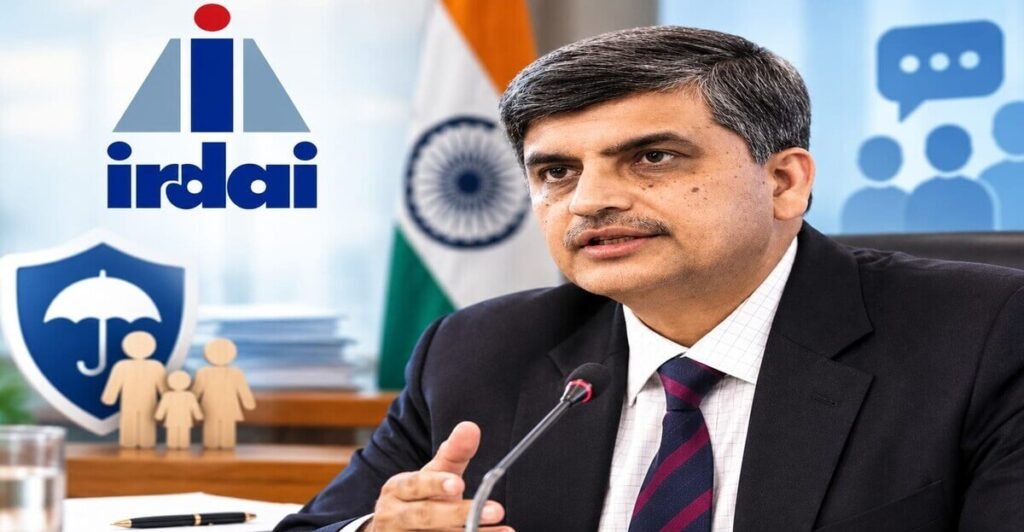
IRDAI has urged insurers to undertake serious introspection over rising policyholder disputes. The chairman stressed the need to address customer grievances. AI - Genertated - Image
NEW DELHI – The Insurance Regulatory and Development Authority of India (IRDAI) has designated November 2026 as Grievance Resolution Month across the insurance industry. IRDAI Chairman Ajay Seth announced the initiative while asking insurers to review and settle pending policyholder complaints and disputes, especially those that have remained unresolved for a long time. He said the month should serve as a focused push to resolve legitimate grievances fairly and at the earliest stage.
IRDAI: Over 2.21 lakh insurance cases pending in courts and consumer forums
Seth said that as of 31 March 2026, around 2.21 lakh insurance-related cases were pending before consumer commissions and courts. Nearly 75% of them had been unresolved for more than a year, and about 70% were before district consumer dispute redressal commissions. Beyond this, about 16,000 insurance ombudsman awards were still awaiting compliance, and roughly 12,000 complaints were pending on the Bima Bharosa platform. Separately, about 11.10 lakh claims were pending before motor accident claims tribunals.
In general insurance, including standalone health cover, about 1.75 lakh cases were pending. Of these, around 1.27 lakh, or 72.7%, had been pending for over a year. In life insurance, about 46,666 cases were pending, of which 33,433, or 71.6%, were older than a year. Seth said these figures show insurers need to do more on dispute prevention, early resolution and litigation management.
Also Read: Gold Price Today Near ₹1.42 Lakh per 10 Grams: Is Your Jewellery Insured?
IRDAI: Decisions often favour policyholders
The chairman also cited outcomes from the 2025-26 financial year. Courts and consumer forums decided 33,798 cases involving general insurers, and 21,873 of them, or 64.7%, went in favour of policyholders. The insurance ombudsman decided 29,699 complaints against non-life insurers and ruled for the complainant in 23,938, or 80.7%.
For life insurance, 11,071 cases were decided by courts and forums, with about 25.2% (2,792) going in favour of policyholders. The ombudsman decided 10,877 complaints against life insurers and found for complainants in 8,033, or 73.8%. Seth noted that the share of life insurance decisions favouring policyholders in court is lower than in non-life, but said the nature of disputes and the reasons for adverse rulings still deserve close examination.
He asked insurers to review their litigation strategy and the grounds on which they contest cases, rather than only defending them, and to address the root causes of disputes. In life insurance, he pointed to transparency at the time of sale, product suitability, clear communication of terms and exclusions, and fair, timely claim settlement.
IRDAI: Priorities set for insurers during the month
IRDAI has asked insurers to prioritise Bima Bharosa complaints, comply promptly with ombudsman awards, and review long-pending matters before consumer commissions and courts with a view to fair and amicable settlement. Insurers are also expected to identify and fix recurring causes of grievances and process gaps, and to strengthen internal grievance redressal so that complaints are resolved at the first point of contact. Seth said each pending matter should be reviewed objectively and with sensitivity on its facts and merits. He added that success should be judged by the fairness, quality and sustainability of resolutions, not just the number of cases closed.
The chairman said the exercise must be led by insurers’ boards and senior management, who should fix clear responsibilities and monitor progress so the improvements are measurable and lasting. He acknowledged that a one-month drive cannot clear accumulated pendency on its own, but said it can act as a catalyst. Insurers should build on it with structured action plans and timelines, and keep overseeing unresolved matters after November.
IRDAI: Grievance camps and the 2047 goal
During the month, IRDAI will hold grievance redressal camps at multiple locations across the country. The camps are meant to help resolve policyholder complaints, raise awareness of the available redressal mechanisms and familiarise stakeholders with the insurance ombudsman framework. Seth urged insurers, ombudsmen and other stakeholders to take part actively and in a coordinated way.
Linking the initiative to the national goal of insurance for all by 2047, Seth said wider coverage and deeper penetration will mean little unless policyholders trust that their rights will be protected and their concerns heard. He asked the industry to treat the month as a collective show of commitment to policyholder protection and as the start of a lasting culture of prompt, fair and empathetic grievance handling.