Insurers May Be the Unlikely Winners in the Tata Sons-Tata Trusts Boardroom Battle
Tata Sons – Tata Trusts boardroom battle could create unexpected opportunities for insurers, making them unlikely winners in the ongoing corporate dispute.
Tata Sons - Tata Trusts boardroom battle could have unexpected implications for the insurance sector. Insurers may emerge as unlikely beneficiaries as the dispute unfolds.
NEW DELHI – Tata Sons and Tata Trusts are in talks with insurance companies about coverage for potential claims arising from their boardroom dispute, Bloomberg reported, citing people familiar with the matter. Executives on both sides want to know how much of their legal expenses would be covered under directors and officers (D&O) liability policies if the dispute reaches court.
Before any petition is filed or any hearing is listed, the two sides in the Tata group’s leadership dispute are already working out who would pay the bills. Senior executives at Tata Sons and Tata Trusts have opened private conversations with insurers about how far their liability policies would stretch if the dispute turns into litigation.
Tata Sons is the holding company of the roughly $185 billion Indian conglomerate. Tata Trusts, the group of charitable bodies that own about 66% of Tata Sons, is its largest shareholder. The people said both want to understand how much of their legal expenses would be covered under D&O liability insurance. They asked not to be named because the discussions are confidential.
Tata Sons-Tata Trusts: What the Two Sides Are Asking Insurers
The talks reportedly extend beyond a straightforward fight between the two parties. They also cover claims that could come from outside the dispute, such as smaller shareholders seeking compensation for losses linked to the boardroom conflict, or action by a regulator.
Tata AIG General Insurance Company Ltd. is said to have written the policies for both Tata Sons and Tata Trusts. One person familiar with the arrangement said the policies include provisions that would let the insured parties bring claims against each other over valuation losses. No such claim has been filed so far, the people said.
Also Read: eMudhra’s keys: What experts say went wrong, and what companies must do now
D&O insurance is designed to shield senior executives from personal financial loss if they are sued over decisions taken in their roles. Depending on the policy wording, it can also reimburse an organisation for legal fees and related costs. The Companies Act, 2013 allows Indian companies to buy such cover but does not require it. Policies are commonly issued on a “claims-made” basis, meaning they respond to claims made during the policy period, subject to the terms and any retroactive date.
Tata Sons-Tata Trusts: How the Dispute Reached This Point
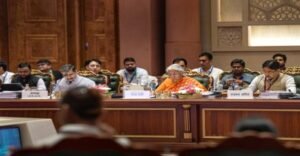
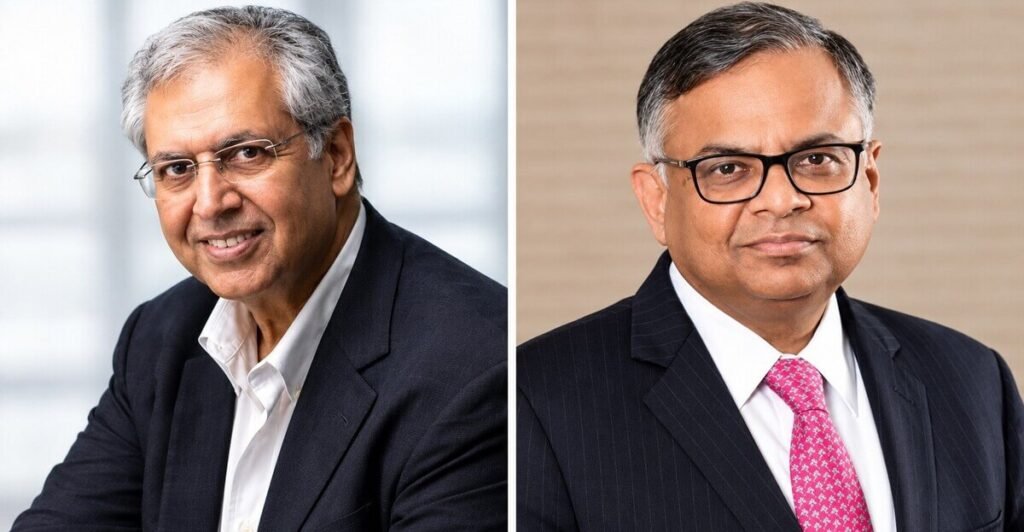
The disagreement became public after a heated Tata Sons board meeting on September 17. Noel Tata, chairman of Tata Trusts, opposed two proposals: a stock market listing for Tata Sons, and a fresh five-year term for Natarajan Chandrasekaran as chairman. The other directors overruled him. Reports say Noel Tata and fellow Trusts nominee Venu Srinivasan voted against the reappointment.
Tata Trusts later described the reappointment as “illegal.” In a letter dated September 24, Tata Sons said its board had approved the term by a majority and that the decision was valid under its Articles of Association. It said the special selection process in Article 118 applies to a first appointment as chairman, not to the continuation of an incumbent. It added that its position was backed by a legal opinion from senior advocate Sudipto Sarkar.
The listing question is also unresolved. The Tata Sons board backs a listing in line with the Reserve Bank of India’s guidance for systemically important non-banking financial companies, a category that covers the holding company as it is currently structured. Tata Sons was retained on the RBI’s upper-layer list of 17 NBFCs in August, and reports say the central bank has rejected its bid to be deregistered as a core investment company. Listing is mandatory for upper-layer NBFCs.
Noel Tata has argued that going public would dilute the Trusts’ philanthropic mission, expose the group to market volatility and compromise a governance model that has lasted a century. The Shapoorji Pallonji Group, which holds about 18.4% of Tata Sons, has publicly supported a listing. Its chairman, Shapoor Mistry, has called a listing an opportunity for greater transparency and accountability.
Neither side has sued the other. Both have retained senior lawyers.
Tata Sons-Tata Trusts: A Precedent From the Mistry Years
This would not be the first time the group has relied on insurance to meet legal costs. It did so after Cyrus Mistry was removed as executive chairman of Tata Sons in October 2016. The Mistry family and the Shapoorji Pallonji Group challenged the removal, and the dispute went to the Supreme Court. In March 2021 the court ruled in favour of Tata Sons.
Tata Sons and Tata Trusts have not spoken publicly about the legal fees from that case, in which they stood on the same side. A newspaper report put the expense at 2 billion rupees ($21.2 million).
The current insurance discussions are at an early stage. What the policies would pay out, if either side or an outside party files a claim, remains untested.