Snake Bite: Gujarat Consumer Forum Upholds Insurer’s Claim Rejection
Snake Bite: The Gujarat consumer forum has ruled in favour of the insurer in a snake bite-related claim dispute, reinforcing the importance of policy terms in claim decisions.
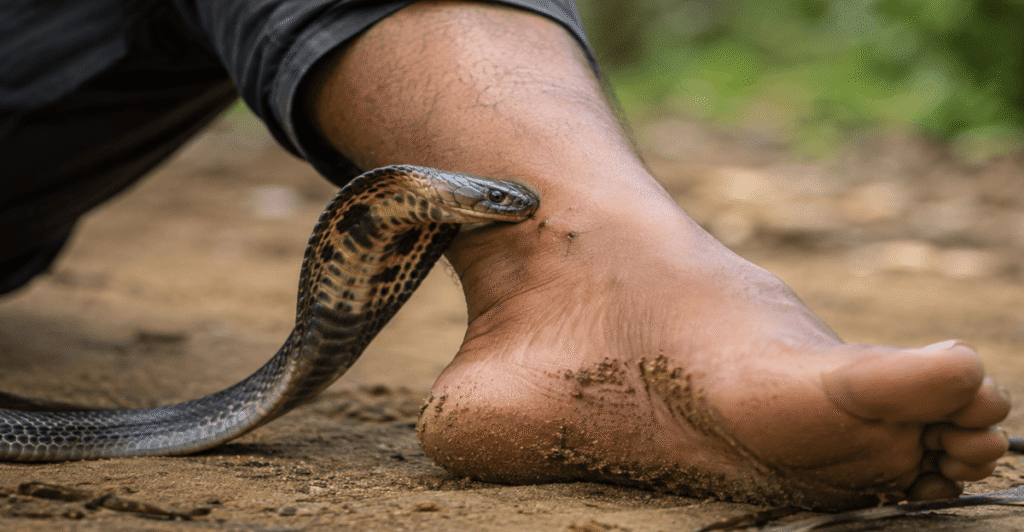
Snake Bite: Gujarat’s consumer forum has upheld an insurer’s decision to reject a claim, backing the company’s stance in the dispute.
NEW DELHI – Snake Bite: For two days, the policy did not exist. On September 7, 2023, a farmer in Gujarat’s Narmada district was bitten by a venomous snake while working in his field. On September 9, he bought a health insurance policy. On September 11, he died in hospital. A consumer commission has now ruled that this sequence of dates decides the case, and that his family is not entitled to the insurance money.
Snake Bite: What the Commission Decided
The Narmada District Consumer Disputes Redressal Commission has dismissed a complaint filed by Sangita Maachi, widow of farmer Govind Maachi. She had sought payment under a Care Health Insurance Ltd policy that carried a sum insured of Rs 3 lakh.
The commission acknowledged that Maachi died while the policy was in force. It held, however, that the event that led to his death had already happened before the cover began. In its view, the cause of death originated on September 7, when the snake bit him, and not on the date he died.
The commission also found that the policy had been bought with the intention of claiming its benefits, and on that basis it rejected the complaint.
Snake Bite: Timeline of the Case
According to case records, the key dates are:
September 7, 2023: Maachi is bitten by a venomous snake on his farm.
September 9, 2023: He buys the Care Health Insurance policy with a cover of Rs 3 lakh.
September 11, 2023: He dies in hospital, where he had been admitted after the bite.
After his death, Sangita Maachi filed a claim with the insurer. The company rejected it, citing the policy conditions. She then approached the Narmada commission in March 2024.
Before the commission, the insurer argued that the bite occurred on September 7, a date on which no policy was in force. The commission accepted that position.
Snake Bite: Why the Date of the Incident Matters in Insurance
Insurance cover generally responds to events that happen after a policy’s start date. Insurers and regulators in India have long treated the timing of a loss or illness as central to deciding claims.
Health policies in India commonly carry an initial waiting period of 30 days, during which most illness-related claims are not payable. Accidental hospitalisation is widely listed as an exception to that clause. Separately, conditions diagnosed or treated in the 48 months before a policy is bought are classed as pre-existing diseases and are subject to their own waiting periods.
The Narmada ruling did not turn on a waiting period. The commission’s reasoning was that the incident causing the death took place before the policy began, even though the death itself came after.
Snake Bite Remains a Major Rural Risk
Snake bite is a significant cause of death among India’s agricultural workers. A nationally representative mortality study published in the journal eLife in 2020 estimated that India recorded about 1.2 million snake bite deaths between 2000 and 2019, an average of roughly 58,000 a year. Most deaths occurred at home in rural areas, and about half were in the rainy season. India is estimated to account for around half of the world’s snake bite deaths. The World Health Organization added snake bite envenoming to its list of priority neglected tropical diseases in 2017.
The Maachi case came from a farm in rural Gujarat, in the setting where such bites most often occur.
The commission’s order concludes the matter at the district level. The case records do not indicate whether the family has appealed.