Your Bank or Car Dealer Sells You Insurance? IRDAI Chief Says This Is a Problem
IRDAI is examining concerns around insurance sales through banks and automobile dealerships, with its chief highlighting the problems customers may face when buying policies through these channels.
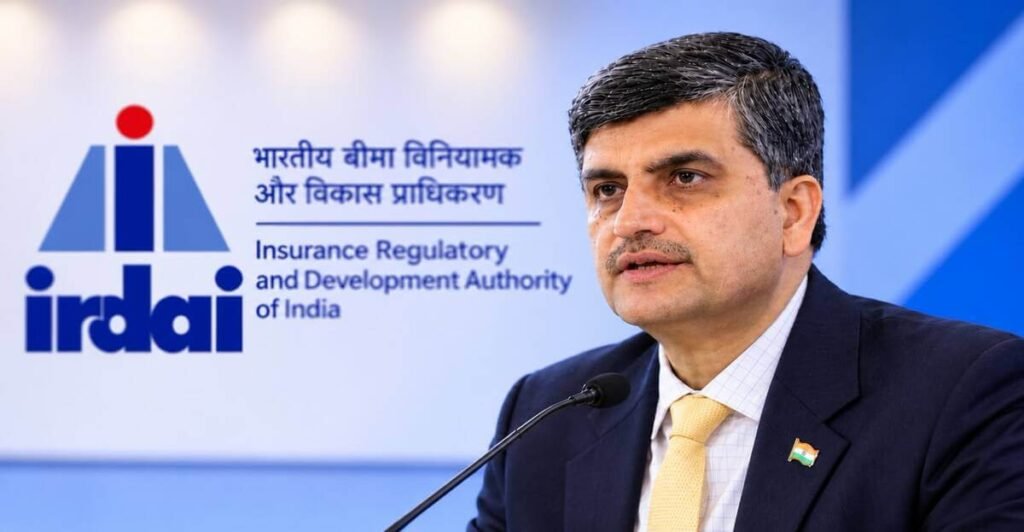
IRDAI Chief flags concerns over banks and car dealers selling insurance, raising questions about distribution practices and customer interests.
NEW DELHI, IRDAI: Many people in India buy insurance from the bank that gave them a loan or from the dealer who sold them a car. IRDAI Chairman Ajay Seth says this convenience can hide a conflict of interest, and that the two roles of selling and servicing should be kept apart. He also said that about 85 per cent of Indian insurers already use artificial intelligence, and that the technology needs human supervision and training suited to Indian conditions.
IRDAI: Convenience That Can Compromise Customer Interest
Seth spoke at the Gatekeepers of Governance 2026 event in Mumbai, which was led by former Sebi chairman M Damodaran. He said some business models have worked for the insurance industry for decades, but they also bring risks that grow over time. He gave two examples. One is a lender that sells insurance to its own borrowers. The other is a motor dealer that sells a vehicle policy and also runs the workshop that repairs the car after an accident.
The worry is that a seller who also earns from the service side may not always recommend the product or settlement that is best for the customer. Seth said these are separate kinds of services and should not be mixed. He did not announce any new rule at the event. His comments reflect a wider concern about how insurance is distributed and who really benefits from the sale.
Enjoying this story?
Subscribe to our newsletter for fresh stories and expert insights delivered straight to your inbox.
Also Read: Axis Max Life CFO sees only transitory impact from IRDAI’s draft commission overhaul
IRDAI: Boards Told to Be the First Gatekeepers
Seth put much of the responsibility on company boards. He said directors must set up guardrails so that conflicts of interest never get in the way of giving customers the best advice, service and product. In his view, boards are the first gatekeepers of governance, ahead of the regulator.
He also suggested that insurers learn from the Reserve Bank of India, which holds structured interactions with the boards and independent directors of banks and NBFCs. He said this approach has helped improve governance across the financial sector, and that insurance could benefit from something similar. He added that the regulator’s job is to read market shifts early and judge what they mean for policyholders, insurers, distributors and the wider economy. Regulators, insurers and society, he said, should work together to spot emerging risks before they become real problems.
IRDAI: AI Is Everywhere in Insurance, but Is It Ready?
The second major theme of his speech was technology. Seth said AI has moved well beyond small pilot projects in insurance, with nearly 85 per cent of insurers using it in some form, including for underwriting and claims settlement. He asked whether these models are trained well enough for India’s economy and the behaviour of Indian policyholders, and whether humans still make the final call on important decisions. He acknowledged that technology improves efficiency and encourages innovation, but said it also creates new risks.
IRDAI has already started work in this area. Earlier this year it set up a working group to guide how insurers adopt AI, with a focus on governance, oversight and data protection. Seth also warned that in a world of geopolitical and economic uncertainty, insurers cannot simply project the past into the future when they assess risk.
IRDAI: Savings, Reforms and What Comes Next
Seth also said household savings are changing direction as people’s preferences shift. He asked whether regulators should keep building higher walls between financial sectors or instead help savings reach the managers who can handle them best, and he called for closer coordination among financial regulators.
He listed several priorities: affordable insurance products, more transparent accounting, and a risk-based capital framework aligned with the move to Indian Accounting Standards. IRDAI is also working on a Public Insurance Registry, which would use data systems already built in banking and capital markets to strengthen insurance data.
For ordinary customers, the message is practical. When your bank or car dealer offers insurance, it is worth comparing the policy with other options before agreeing, and checking that the advice you get is not shaped by what the seller earns from the deal.
Follow us on Twitter for latest updates

Prince Kumar is a correspondent at The Insurance Reporter, covering Indian and global insurance news, industry trends, and regulatory developments. A keen observer of the evolving insurance landscape, he is also an...