No Insurance, No Ride? Karnataka Prepares Bike Taxi Safeguards After SC Order
Bike Taxi Insurance could see tighter regulatory requirements in Karnataka, with the state preparing fresh safeguards to address insurance and passenger safety concerns after the Supreme Court’s order.
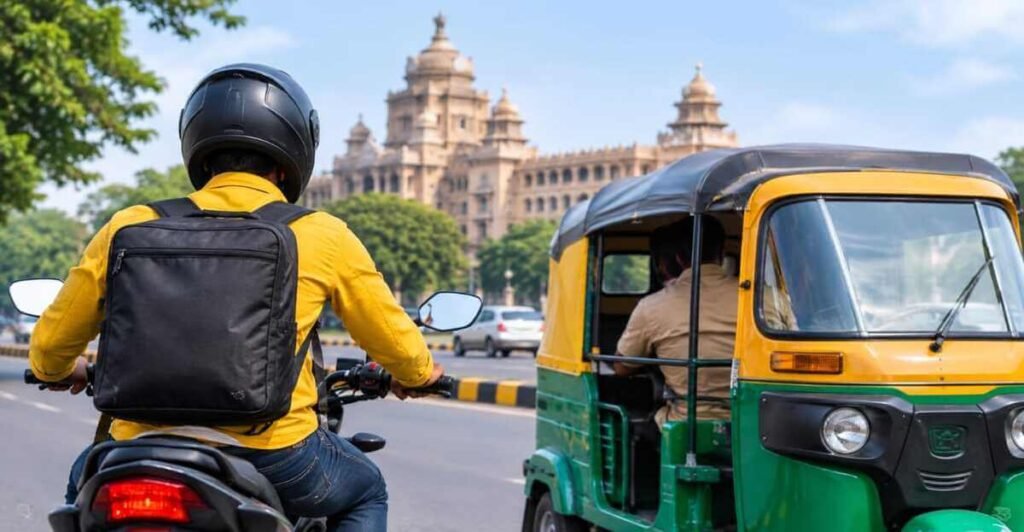
Bike Taxi Insurance is set to come under sharper focus as Karnataka prepares new safety rules following the Supreme Court's order.
NEW DELHI, Bike Taxi Insurance: Karnataka Transport Minister Byrathi Suresh said on November 20 that the state will comply with the Supreme Court’s order on bike taxis. He added that the government will decide whether to permit the services only after fresh consultations with the Advocate General.
The apex court on the same day dismissed the state’s appeal against a High Court judgment that had set aside the ban on bike taxis, which clears the way for app-based operators to continue running in Karnataka.
Bike Taxi Insurance: What the Karnataka Government Plans Next
Suresh said the government is leaning towards regulation and restrictions rather than a blanket ban. Transport department officials have been told to start drafting the rules. The proposed safeguards include verification of driver documents, mandatory GPS devices on vehicles, valid insurance cover and other compliance requirements. The minister said passenger safety, especially for women using bike taxis, is the government’s top priority, and that every aspect will be examined before a final call is taken.
Enjoying this story?
Subscribe to our newsletter for fresh stories and expert insights delivered straight to your inbox.
The state’s concerns are not new. In its appeal, Karnataka argued that bike taxis carry safety risks and lack adequate insurance cover for passengers. It also pointed out that its 2016 on-demand transportation technology aggregator rules were framed mainly for four-wheeled cabs and have no specific provisions for motorcycles.
Also Rad: Term Insurance Claim Rejected Over Other Policies: Commission Orders Rs 1 Crore Payout
The state also noted that the Union road transport ministry has said “bike taxi” is not a defined category under the Motor Vehicles Act. The High Court’s January 2026 order, however, held that the existing aggregator rules do not rule out licensing bike taxi services, and the Supreme Court has now let that view stand.
Bike Taxi Insurance: Operators and Traditional Transport Unions Respond
Aggregators and riders have welcomed the verdict. Rapido and Uber said it brings clarity for commuters and operators and supports affordable mobility and flexible earning opportunities. They also said they want to work with the state to build a safe, regulated and scalable bike taxi sector. Many commuters, particularly in Bengaluru, see bike taxis as a faster and cheaper way to beat traffic and cover the last mile.
Traditional transport operators remain worried about their livelihoods. Unions representing auto-rickshaw and cab drivers have long opposed bike taxis and had challenged the High Court’s ruling themselves. A representative of the Karnataka Rajya Chalakara Parishath has demanded strict rules. These include mandatory fitness certificates, separate taxation, helmets and uniforms for riders, and permission only for yellow-board (commercial) vehicles, with private white-board bikes barred from carrying passengers.
Bike Taxi Insurance: A Second Attempt at Regulation
This is the second time Karnataka has tried to build a regulatory framework for bike taxis. The state launched an Electric Bike Taxi Scheme in July 2021 to promote electric two-wheelers, create jobs and improve last-mile connectivity. It later withdrew the scheme after opposition from auto-rickshaw and cab unions.
The latest ruling also comes as the Centre pushes states to adopt the Motor Vehicle Aggregator Guidelines, 2025. Under those guidelines, non-transport motorcycles can be used for passenger services with state government approval. With the Supreme Court having left the matter to the state, the rules Karnataka now frames will decide how bike taxis operate, how safe they are for passengers, and whether the state can balance new commuter options against the concerns of traditional drivers.
Follow us on Twitter for latest updates

Prince Kumar is a correspondent at The Insurance Reporter, covering Indian and global insurance news, industry trends, and regulatory developments. A keen observer of the evolving insurance landscape, he is also an...