Bihar Police Crack Down on Vehicle Implant Insurance Scams, Tighten Challan Rules
Insurance scams are under closer scrutiny as Bihar Police steps up action against fraudulent practices and strengthens vehicle challan rules.
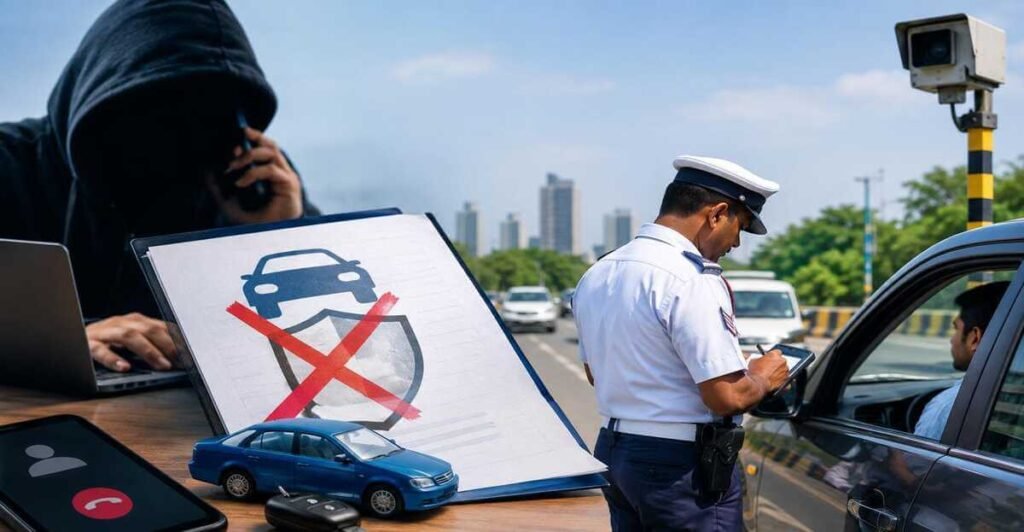
Insurance scams involving vehicles face a fresh crackdown as Bihar Police tightens challan checks across the state.
Insurance Scams: The Bihar Police have rolled out a set of reforms targeting insurance fraud and traffic enforcement, anchored by the formation of a Special Investigation Team (SIT) under the Crime Investigation Department (CID) to investigate suspected vehicle “implant” scams. The measures, announced on Sunday, also include stricter evidentiary requirements for traffic challans and a directive to release accident-involved vehicles within 24 hours of completed formalities.
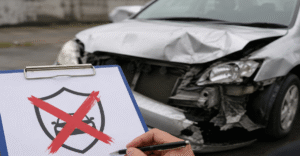
The action follows recent Supreme Court observations on fraudulent compensation claims tied to vehicle implantation in road accident cases — a practice in which an insured vehicle is falsely linked to an accident to secure a payout from an insurer.
Insurance Scams: SIT to Investigate Insurer-Flagged Fraud Cases
Sudhanshu Kumar, Additional Director General of Police (Traffic), said the newly formed SIT will take up cases referred directly by insurance companies where complaints point to possible fraud. He said such cases result in wrongful compensation payouts and place financial strain on insurers, a cost that can ultimately translate into higher premiums for genuine policyholders.
The SIT’s CID placement signals that Bihar Police are treating implant fraud as an organised crime concern rather than an isolated insurance dispute, giving investigators access to CID’s broader investigative machinery.
Also Read: Zurich Kotak Taps Zurich Edge to Take SME Insurance Digital
Insurance Scams: Challans Now Require Photo or Video Proof
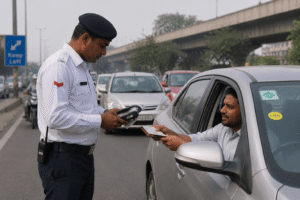
In a parallel directive, Police Headquarters (PHQ) instructed that traffic challans be issued only when backed by clear photographic or video evidence showing the date, time and location of the violation. Traffic violations across the state are currently detected through Handheld Devices (HHDs), Integrated Command and Control Centres (ICCCs) and Highway Patrol Vehicles (HPVs).
Kumar said personnel deployed for traffic management have been told to issue on-the-spot challans strictly on the basis of such documented evidence. The directive follows reports reaching PHQ that some personnel were capturing photographs on their phones, holding them in draft mode, and either cancelling them later or issuing challans at their own discretion.
To close this gap, officials have been barred from issuing challans based solely on a vehicle’s registration number; photographic evidence must clearly establish the violation itself, such as riding without a helmet or driving without a seat belt. PHQ has warned that personnel found issuing challans on incomplete evidence will face disciplinary action.
Insurance Scams: 24-Hour Vehicle Release and Pending Challan Settlement
PHQ has separately directed all police stations to release vehicles involved in road accidents within 24 hours of completing required formalities. A district-level monitoring mechanism headed by DSPs (Traffic) has been set up to track compliance, and vehicle owners facing delays can file complaints with police headquarters via WhatsApp, phone calls or SMS.
On pending penalties, challans outstanding for more than 90 days can be settled through National Lok Adalats under the Challan Settlement Scheme-2026. However, only 66,964 police-issued challans were cleared during the National Lok Adalat held on September 12, prompting PHQ to call for greater public participation in the settlement drive.